Meta and Google for GLP-1 telehealth
GLP-1 marketing agency for telehealth weight-loss brands
MedScale Health runs Meta, Google, Microsoft and TikTok ads, creative and landing pages for US GLP-1 telehealth brands, with every ad pre-checked against health policy before it spends. Semaglutide and tirzepatide programs sold online under a prescriber. The largest telehealth category by spend and the one the platforms, the FDA and 35 state attorneys general are all watching at once.
How it is sold
The model, before the rules.
An async intake form, sometimes a short video visit where state law requires one, then a prescriber review. Branded programs route the prescription to a retail or manufacturer pharmacy at cash price. Compounded programs route it to a 503A or 503B pharmacy that ships vials or pens monthly on a subscription. FDA declared the tirzepatide shortage resolved in December 2024 and the semaglutide shortage in February 2025, and the enforcement grace periods for compounded copies ended in spring 2025. In March and June 2026 the agency sent warning letters to 55 telehealth companies for calling compounded products equivalent to the approved drugs or branding them under the company's own name. The model still works; the claims that used to sell it do not.
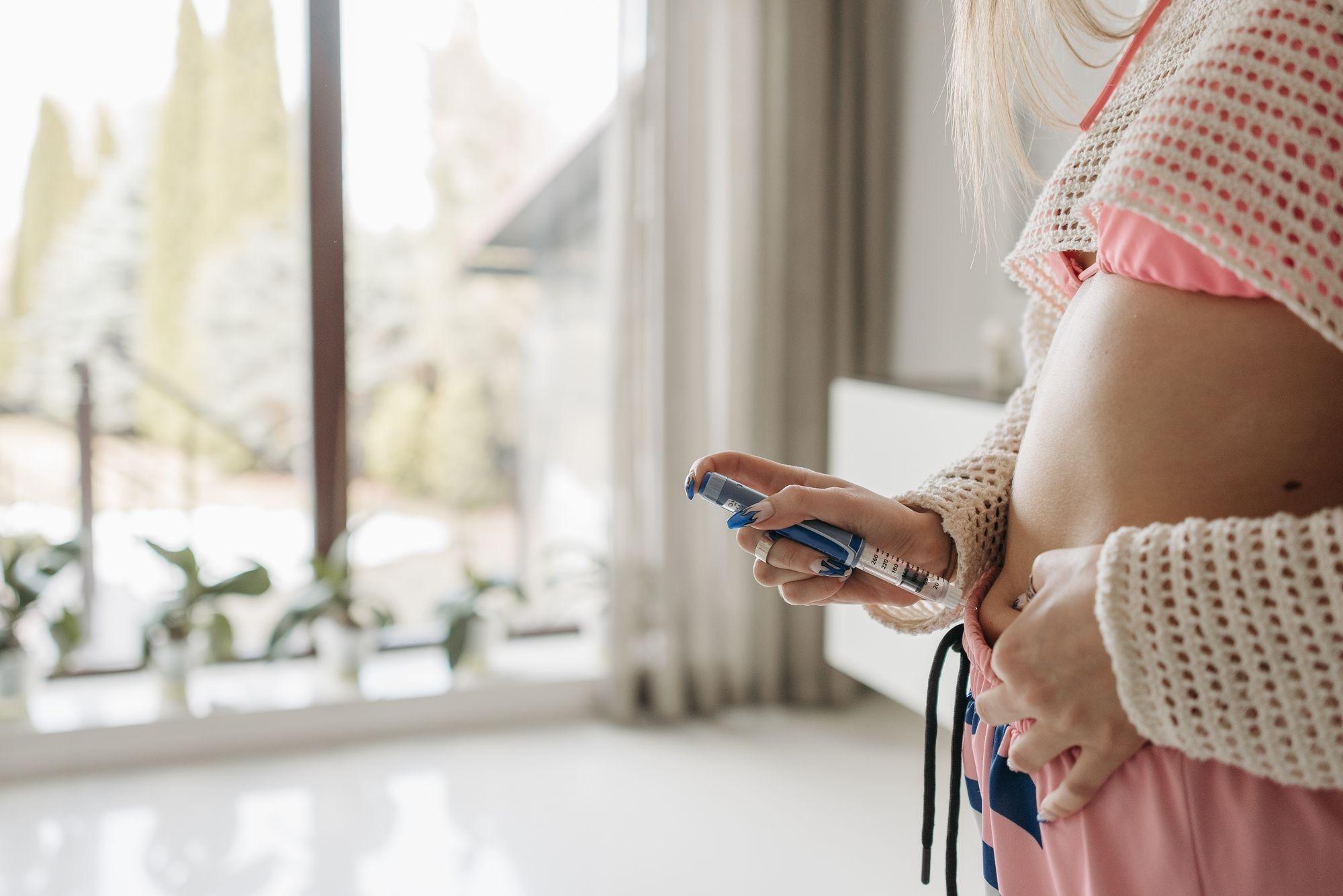
The offer
What do you get with MedScale as your GLP-1 weight loss ad agency?
MedScale runs Meta and Google ads, ad creative, landing pages and server-side tracking for GLP-1 telehealth brands, on compounded and branded semaglutide and tirzepatide programs. We build every campaign around the rules that decide what can run: LegitScript certification and Meta's authorization before an ad names a drug, Google's prescription drug services certification before search ads serve, and "compounded, not FDA-approved" on every compounded product, in line with FDA's June 15, 2026 guidance on promoting compounded drugs. You own the accounts, we work month to month, and you get a written report every Monday.
- Campaigns
- Meta and Google Ads, set up and run inside your own accounts. TikTok where the category allows it.
- Ad creative
- 8 ads at launch, statics and motion video. On Growth, 6 new ads every month; on Scale, a new round every week.
- Landing pages
- A page for each offer, written for the ad that sends people to it, on your domain.
- Tracking
- Server-side conversion tracking under a BAA, so no health information reaches the ad platforms.
- Compliance review
- Every ad and page checked against Meta's, Google's and TikTok's health rules before it is submitted, with the rule it clears written down.
- Reporting
- A written report every Monday: spend, patients and cost per patient by campaign, what we changed and why. Calls on your package's schedule.
- Ownership
- Ad accounts, pages, creative and tracking stay in your name. We work as a partner on your accounts.
Your first 30 days
Week 1
Access, an audit of your accounts and site, tracking installed, the launch offer and landing page agreed.
Week 2
Landing page built, launch ads written and designed, every ad and page pre-checked against the rules, and campaigns live by Day 14.
Week 3
Daily checks through the first full week of spend.
Week 4
First full Monday report, and the next round of ads planned from what is working.
How it gets restricted
Four things restrict a GLP-1 account. Naming the drug in an ad or a keyword without certification. A hook aimed at the reader ("tired of the weight?"), which trips Meta's personal-attributes rule, or a close-up pinching fat or a result promised by a set date, which Meta's weight-loss rules still bar. A landing page that reads like a pharmacy: product, price, add to cart, medication shipped. And pixel events named after the drug, which move the whole account into Meta's restricted health tier. Since 2026 there is a fifth: any line that calls a compounded product the same as Ozempic or Wegovy, which the platforms now read as a prescription-drug claim and FDA reads as misbranding.
Paid outlookCertification first
Policy by platform
Where a platform asks for LegitScript, it means LegitScript certification: the third-party check Meta and Google require before a telehealth business can name a prescription drug in an ad. It certifies the business, its prescribers and its pharmacies. It does not change what a drug is.
- Meta
- Online pharmacies and telehealth providers must hold active LegitScript certification and obtain Meta's written authorization before any ad references a prescription drug. Ads target 18 and over in the US, Canada or New Zealand only and carry a consult-a-licensed-professional disclaimer. Weight-loss ads separately require 18+ targeting, no inferiority framing about the body, no fat-pinching close-ups. Since July 22, 2026, 18+ weight-loss ads may show before-and-after comparisons; a result promised by a set date still needs a qualifier. Program and provider ads that name no drug can run without authorization. Meta's page does not mention compounded drugs by name; in practice compounded and branded programs are reviewed under the same rule.
- Google Ads
- A GLP-1 telehealth prescriber needs Google's prescription drug services certification before its prescription-drug ads serve in the US, and the same certification to bid on drug-term keywords. Google accepts LegitScript or NABP accreditation as the first step, and it decides who is covered from the ads, the site and the app, so consult-led ads that don't name a drug are still judged on the whole site. Certification is the path. Products containing hCG for weight loss are prohibited outright.
- TikTok
- As of October 2026, TikTok may allow US prescription medicine ads with proof of FDA approval and certification, restricted to 18+. Compounded semaglutide and tirzepatide are not FDA-approved and can't qualify, so compounded programs use TikTok for awareness only. Weight-management ads must target 18+, promote a healthy lifestyle, and cannot shame bodies, suggest an ideal body type, or claim results without diet and exercise.
Policy pages read 2026-10-05. Meta: Drugs and pharmaceuticals · Meta: Health and wellness · Meta: Personal attributes · Google: Healthcare and medicines · Google: Prescription drug services certification. Dated rule changes
What we run
The plan for GLP-1 weight loss.
- Channels
- Meta on program-explainer and provider-led creative from launch. Google Search once certification clears, on program intent and then drug-term keywords. TikTok for the brand and the provider; compounded programs keep it to awareness, because TikTok's US prescription path needs proof of FDA approval.
- Creative that passes
- How the program works, who the prescriber is, what the first month costs, which states we serve. No second-person hooks, no close-ups pinching fat, no result promised by a date. Since July 22, 2026 Meta allows before-and-after in 18+ weight-loss ads; our house rule still keeps it out of the ads we run. Compounded programs say "compounded, not FDA-approved" in the ad and on the page.
- Landing page
- A program page, not a product page. Eligibility, the visit, the medication options in plain language, pricing, prescriber credentials, and the LegitScript seal. Add-to-cart does not appear anywhere.
- Tracking
- Server-side events with generic names (lead, qualified, booked, purchase), under a BAA. No names, emails, phone numbers, IP addresses or browser IDs go to the ad platforms. The ad click ID rides a bridge token into the intake platform, so the consult and the prescription land on the campaign that produced them even though the visitor left our page to book.
What we measure
- CPQL
- Cost per qualified lead: someone who completed intake and met the program's eligibility rules.
- Consult booked
- Prescriber review scheduled or async visit submitted, attributed to the campaign.
- Rx issued
- Prescription written, reported back from the intake platform.
- 90-day retention
- Share of new patients still on the subscription at month three.
Reported weekly by campaign from the tracking installed in the first two weeks. We publish the definitions, not a benchmark, because the number depends on your price, your states and your pharmacy.
Commitments
What is done by which day.
Every live ad, keyword and landing page read against the three policies, with the flags listed
Server-side tracking live with the click ID carried into your intake platform
First creative batch pre-cleared and submitted for review
Weekly report on CPQL, consult booked and Rx issued by campaign
Days count from kickoff. Certification timelines belong to LegitScript and the platforms, so campaigns that need drug terms start on program intent and add them when approval lands.
Results
Results from the accounts.
Anonymised results from telehealth brands and clinics that run on our tracking. Names are withheld. Results vary by brand, offer and budget.
- Four times the rate from visitor to member
- For a GLP-1 membership brand, visitors who came in through one entry page became paying members at 1.8%, against 0.4% for visitors who arrived on the homepage.
- Sales tied back to the ad
- A national health brand sent new sign-ups to an app on a different domain, and the trail back to the ad broke there. Of 686 sign-ups, none could be traced to the visit that started them. After our cross-domain handoff went in, 2,513 of 2,518 could, and the share of purchases carrying campaign data went from 1.5% to 69%.
GLP-1 weight loss questions
What brands in this category ask first.
How much does a GLP-1 marketing agency cost?
It depends on scope: which platforms you run, how much new creative you need each month, and how many landing pages your program needs. MedScale sets the fee after a free Growth Audit of your ads, site and tracking, so you see the plan and the fee before you commit. MedScale works month to month. Ad spend is separate: you pay Meta and Google directly from your own ad accounts, which stay in your name.
Can you advertise compounded semaglutide on Meta and Google?
Yes. MedScale runs ads for compounded semaglutide and tirzepatide programs as well as branded ones, under the same prescription drug rules; neither platform's policy names compounded drugs. On Meta, naming the drug needs active LegitScript certification, Meta's authorization, 18+ targeting in the US, Canada or New Zealand, and a consult-a-licensed-professional disclaimer. On Google, semaglutide is on the prescription drug list, so a telehealth prescriber needs LegitScript and Google certification. FDA's June 15, 2026 guidance warns against calling a compounded drug generic, the same as an approved drug, or FDA-approved. MedScale labels it "compounded, not FDA-approved".
Should we start on Meta or Google?
Start where your certification allows, then follow demand. Meta lets a telehealth brand run ads that promote its service generally, with no drug named, without authorization, so most GLP-1 programs launch there on program and provider creative. Google won't serve a telehealth prescriber's prescription drug ads until LegitScript and Google certification are in place. Once both are cleared, Google Search catches people already looking for a GLP-1 program, and Meta reaches people who haven't started searching. MedScale runs both from one plan.
How many new ads do we get each month?
You get 8 ads at launch, statics and motion video. On Growth, 6 new ads arrive every month; on Scale, a new round every week. For GLP-1, each ad is written around the program, the prescriber, the price and the states you serve, with no second-person hooks and no result promised by a date. Every ad and the page it sends people to is checked against Meta's, Google's and TikTok's rules before it is submitted.
Do we need LegitScript before you start?
No. Tracking, landing pages and Meta ads that promote your service generally, with no drug named, can all start before you are certified. Naming semaglutide or tirzepatide in a Meta ad needs active LegitScript certification plus Meta's authorization, and Google needs LegitScript and Google certification before a telehealth prescriber's prescription drug ads serve. If you aren't certified yet, LegitScript certification help is one of MedScale's services, and MedScale prepares the application while your first campaigns run.
Do you guarantee a number of patients?
No. Patient numbers depend on platform review, auction prices, your offer and how your intake converts, and no one controls all of those. What MedScale does promise: 8 ads at launch, every ad and page checked against platform rules before submission, server-side tracking under a BAA, and a written report every Monday on what each dollar produced: spend, patients and cost per patient by campaign. MedScale works month to month, so you stay because the numbers work.
Can we advertise compounded semaglutide on Meta?
With LegitScript certification and Meta's written authorization, a certified telehealth provider can run prescription-drug ads. The harder question is the claim. Since the shortages were resolved, an ad or page that presents a compounded product as a substitute for the approved drug draws FDA attention and platform review. MedScale writes the ad around the program and discloses compounding plainly.
We are not certified yet. Can anything run in the meantime?
On Meta, yes: ads that promote the telehealth service generally and name no drug run without authorization. On Google, a telehealth prescriber needs certification before prescription-drug ads serve, and Google judges the ads, the site and the app, so consult-led ads that don't name a drug are still judged on the whole site. Certification is the path. It usually takes weeks to a few months depending on how complete the application is, so MedScale launches Meta on program creative and adds Google when the certification clears.
Why did our pixel get restricted when the ads were approved?
Meta reviews the account's data, not only its ads. A pixel firing events named after a drug or a health condition, or sending URL paths that contain one, moves the account into the restricted health tier and cuts off the conversion events. The fix is server-side delivery with generic event names, which is what MedScale installs in the first two weeks.
Can we bid on Ozempic or Wegovy as keywords?
Only with Google's prescription drug services certification, and brand names are also trademarks, so the legal exposure is separate from the policy exposure. Most programs do better bidding on program intent and landing the click on a program page that explains the medication.
Does the tracking touch the patient's weight or diagnosis?
No. Nothing from the intake form reaches an ad platform. The platforms receive a generic event name and the ad click ID, and no name, email, phone number, IP address or browser ID. The tracking runs under a signed BAA.
From the answers library
Rules that decide GLP-1 weight loss campaigns.
Can You Advertise GLP-1 on Facebook and Instagram?
As of October 2026, GLP-1 telehealth brands can advertise on Facebook and Instagram to adults 18 and over if no copy implies the viewer's body or health; a prescription GLP-1 also needs LegitScript certification and Meta's authorization. MedScale, a paid ads agency for US telehealth brands and clinics, builds GLP-1 creative against those rules from the first concept, because accounts are lost to a pattern of disapprovals, not one banned claim. Since July 22, 2026, Meta judges before-and-after imagery by the claims around it.
Reviewed October 24, 2026
Can You Advertise Foundayo and the Wegovy Pill? Ad Rules for GLP-1 Pills on Meta, Google, TikTok and Microsoft
As of October 2026, a telehealth brand can advertise Foundayo and the Wegovy pill as FDA-approved prescription drugs once it holds LegitScript certification and each platform's own approval: Meta's authorization, Google's certification and Microsoft's preapproval, with TikTok's US rule asking for proof of FDA approval. MedScale Health, a paid ads agency for US telehealth brands and clinics, files those approvals before any pill ad runs. Novo Nordisk announced FDA approval of the Wegovy pill on December 22, 2025, and FDA approved Foundayo (orforglipron) on April 1, 2026.
Reviewed October 24, 2026
What Should a Marketing Agency for a Compounded GLP-1 Program Handle?
As of October 2026, a marketing agency for a compounded GLP-1 program has to keep FDA's false or misleading claims out of every ad and page, follow Meta's prescription drug rules, wait for Google certification and keep TikTok to awareness. MedScale Health, a paid ads agency for US telehealth brands and clinics, runs paid ads for compounded semaglutide and tirzepatide programs this way, pre-checking every ad and page against FDA's list and each platform's rules. Compounded GLP-1 is compounded, not FDA-approved.
Reviewed October 24, 2026
Can You Still Advertise Compounded GLP-1s With B12 or Niacinamide Added?
As of October 2026, a telehealth brand can still advertise a compounded GLP-1 program, but ads that name a B12 or niacinamide blend, or claim it is significantly different from the approved drug, are the weak point. MedScale Health, a paid ads agency for US telehealth brands and clinics, advertises the clinician-led program, not the formulation. FDA's September 18, 2026 warning letter to Empower Pharmacy says its tirzepatide/niacinamide and semaglutide/cyanocobalamin (B12) products appear to be essentially copies of FDA-approved drugs.
Reviewed October 24, 2026
Next step
Start with the audit.
We read your live ads, landing pages and pixel against the rules on this page and send back the flags and the plan. If the account is already restricted, the rescue is the faster door.
Growth audit
See where your growth is leaking.
We audit the ads, the landing pages, the tracking and the compliance posture, then hand you the roadmap. The people writing it have run the same funnel from the inside. You keep it whether or not we work together.
- Reviewed
- Funnel, tracking, and compliance posture
- Discussed
- One 30-minute call with the operator on your account
- Delivered
- A written roadmap within 5 business days